The odd ones out: managing impacted canines, laterals, peg, and tooth anomalies
About this Seminar
1. Overview & Clinical Relevance
• Prevalence and impact of dental anomalies
• Why early identification matters
2. Impacted Canines
• Etiology and risk factors
• Early clinical and radiographic signs
• Interceptive vs definitive treatment
• Surgical exposure concepts and orthodontic traction
• Common complications and prognosis
3. Peg Laterals
• Diagnosis and treatment planning
• Orthodontic space management options
• Restorative considerations and sequencing
• Adolescent vs adult treatment differences
4. Tooth Number, Size, and Shape Anomalies
• Hypodontia, supernumerary teeth, and microdontia
• Effects on eruption and occlusion
• Management principles and timing
5. Case-Based Integration
• Real-world cases combining multiple anomalies
• Treatment decisions and outcomes
• Practical lessons for daily practice
6. Referral Timing & Take-Home Points
• When to monitor vs refer
• Key red flags for early orthodontic referral
• Improving outcomes through collaboration
Learning Objectives Participants will be able to:
• Recognize impacted canines, peg laterals, and common tooth anomalies
• Understand appropriate timing for intervention and referral
• Coordinate orthodontic and restorative care effectively
Presenters
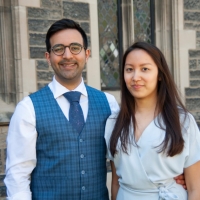
Dr. Haji and Dr. Molla
About Dr. Haji and Dr. Molla
Dr. Hussein Haji and Dr. Nafisa Molla are orthodontic specialists practicing in Halifax, Nova Scotia, with visiting specialist services in Happy Valley–Goose Bay, Newfoundland and Labrador. Both earned their Doctor of Dental Surgery (DDS) degrees from the University of Toronto. Dr. Haji completed his orthodontic specialty training and Master of Science at the University of British Columbia, and Dr. Nafisa completed hers at the University of Alberta. Both are certified specialists in orthodontics by the Royal College of Dentists of Canada (RCDC) and are Diplomates of the American Board of Orthodontics (ABO). Their clinical practices focus on comprehensive orthodontic treatment for children, adolescents, and adults, including fixed appliances, clear aligner therapy, and digitally driven treatment planning. Their approach is grounded in interdisciplinary care and collaborative communication across the dental profession.